Start with families
See four broad branches of the collection, then follow the connections to the genera inside each one.
Explore familiesFollow the path from family to genus to species. Every name leads somewhere worth exploring.
Header photo Reuben C. J. Lim, CC BY-NC-SA
The guide divides into three levels. Start wherever your curiosity is.
See four broad branches of the collection, then follow the connections to the genera inside each one.
Explore familiesCompare eight groups and use the paired species links to continue your search.
Browse generaFilter sixteen reference cards by family, then open a species record for a closer view.
View speciesTile photos: Randi Agusti, CC BY-NC; Reuben C. J. Lim, CC BY-NC-SA; Yusran E. Ritonga, CC BY-NC.
Move between the guide and the identification interface whenever you need a comparison. The community page shows how photographs and written notes can sit together in a useful observation. You can explore freely without an account.
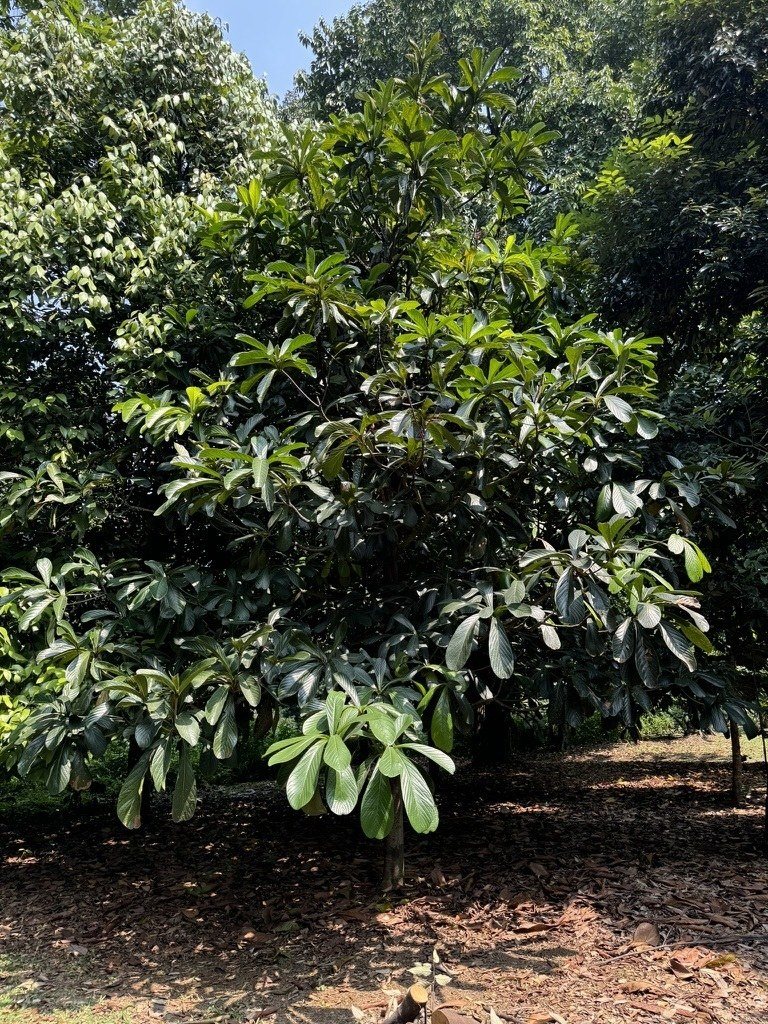
You do not need to name every plant before you start exploring. Begin with a clear observation and follow the classification trail at your own pace. This guide deliberately keeps its collection small: every family connects to two genera, and every genus connects to two species. Those counts describe this website’s selection, not the total diversity of the families.
Use the photographs as reference material. A close-up may show a fruit, a leaf, or a preserved herbarium specimen; the caption tells you who made the image. The original botanical source appears beside the description so you can examine the evidence and read beyond our summary. Regional ranges describe published distributions, not the location where a reference photograph was taken.
Naming reference: International Association for Plant Taxonomy. Field workflow is original project guidance.
| Family | Genus | Species in this guide |
|---|---|---|
| Dipterocarpaceae | Vatica | Vatica rassak, Vatica mangachapoi |
| Dipterocarpaceae | Dipterocarpus | Dipterocarpus grandiflorus, Dipterocarpus kerrii |
| Lauraceae | Actinodaphne | Actinodaphne malaccensis, Actinodaphne pruinosa |
| Lauraceae | Beilschmiedia | Beilschmiedia madang, Beilschmiedia kunstleri |
| Burseraceae | Canarium | Canarium odontophyllum, Canarium littorale |
| Burseraceae | Dacryodes | Dacryodes rostrata, Dacryodes laxa |
| Myristicaceae | Horsfieldia | Horsfieldia irya, Horsfieldia superba |
| Myristicaceae | Myristica | Myristica fragrans, Myristica iners |