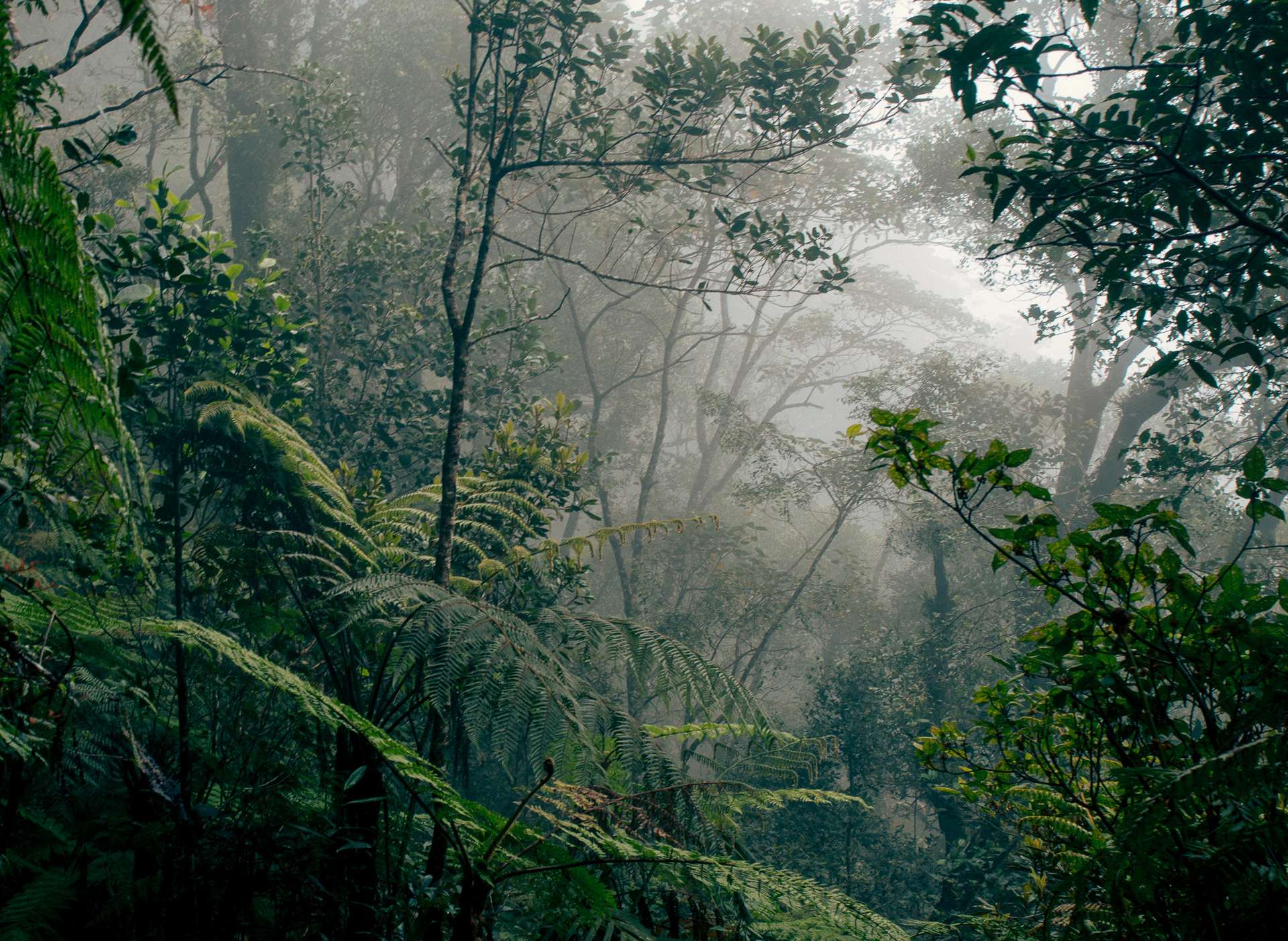
Layers of green forest fading into mist in Kinabalu Park, Sabah
Kinabalu Park, Sabah. Photo Dukeabruzzi, CC BY-SA 4.0

Rimba Kita

“Our forest”, in Malay. A citizen-science field guide to notice, name and record sixteen Malaysian trees.

One tree, three levels.

Every plant in this guide sits on the tree below. Point at a family, a genus or a species, or move through it with the Tab key, to follow its branch.

  1. 4 families
  2. 8 genera
  3. 16 species

Follow a branch

Each family divides into two genera, and each genus into two species. Choose any name to open its page.

Four families, up close.

A reference photograph, one clue and the two genera of each family. Explore the field guide

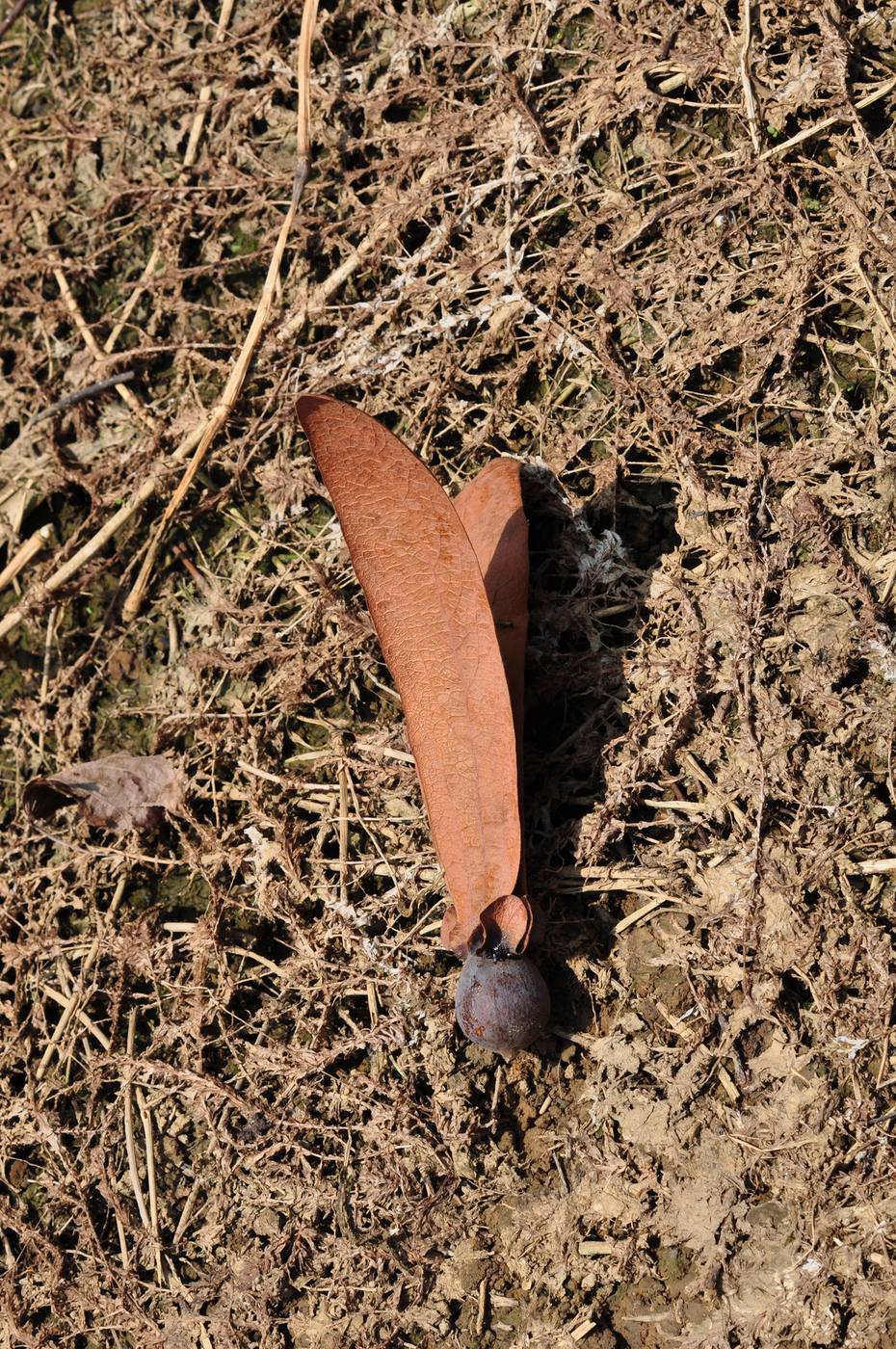
Winged Dipterocarpus kerrii fruit on the ground
Winged fruit on the ground Photo Christian Gilli, CC BY-NC

Dipterocarpaceae

Giants of the forest

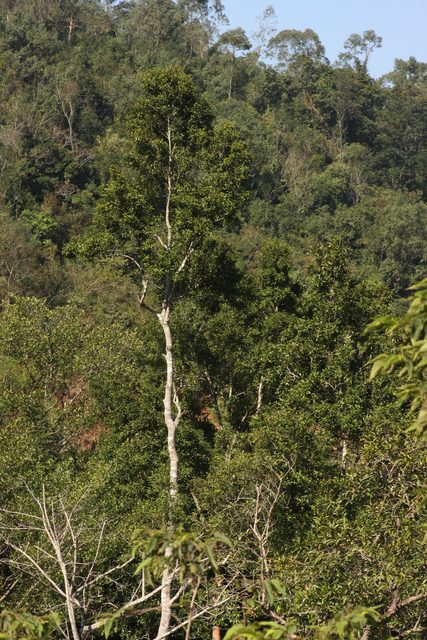
Begin with Vatica and Dipterocarpus. These two genera belong to Dipterocarpaceae, a family represented here by four tree species. Compare the reference photographs, then follow each genus to its species records.

Look for: Many species carry winged fruits, and the family includes many of the tallest trees in Malaysian lowland forest.

  • Vatica
  • Dipterocarpus

Botanical source: NParks.

Explore Dipterocarpaceae
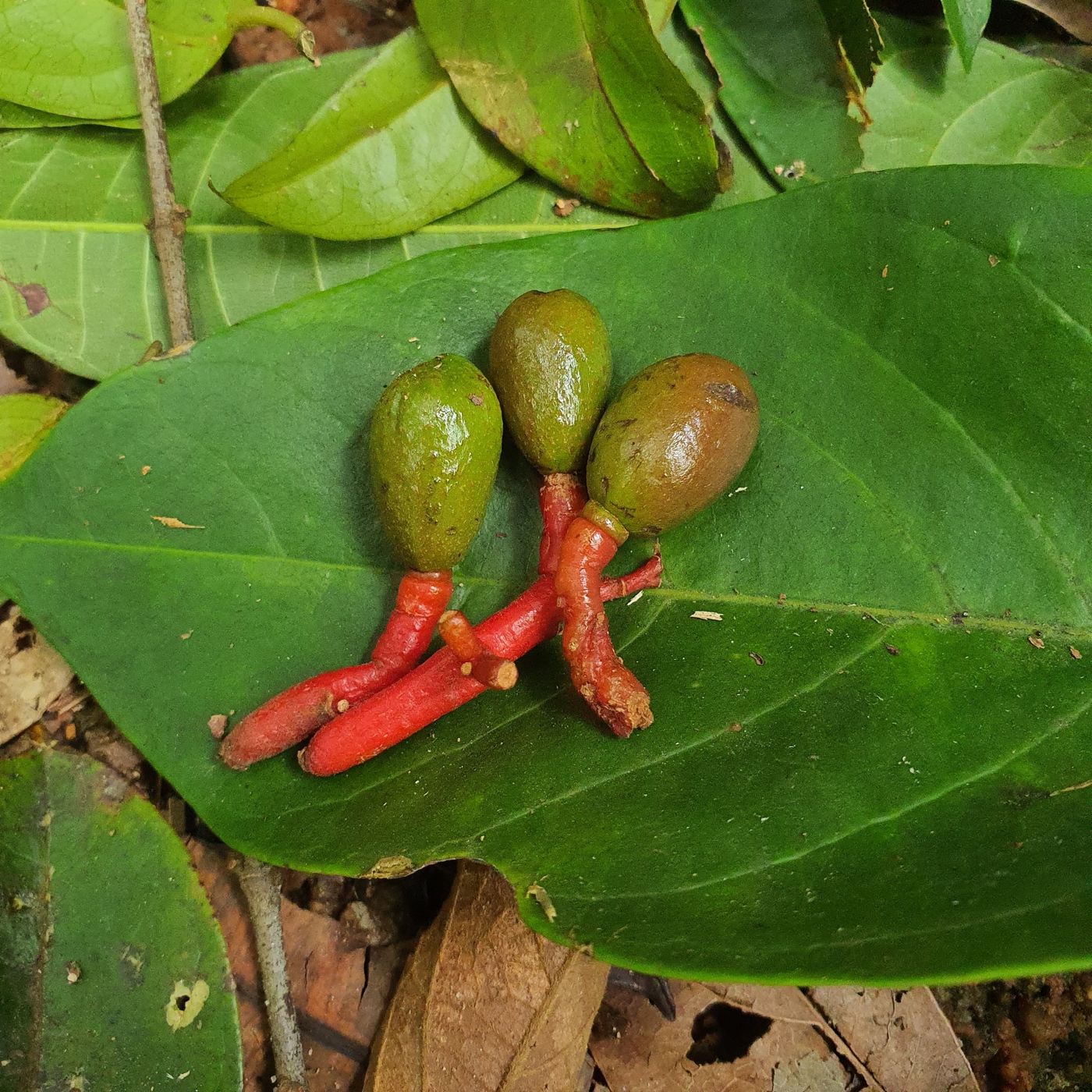
Beilschmiedia madang fruits with red stalks
Fruits on red stalks Photo pbsg, CC BY

Lauraceae

The laurel family

Explore Actinodaphne and Beilschmiedia. Both genera belong to Lauraceae. Our selection connects four species with their botanical sources, helping you move from a family name to a more precise identification.

Look for: Leaves are often aromatic when crushed. The family also includes cinnamon, bay laurel and avocado.

  • Actinodaphne
  • Beilschmiedia

Botanical source: Kew POWO.

Explore Lauraceae
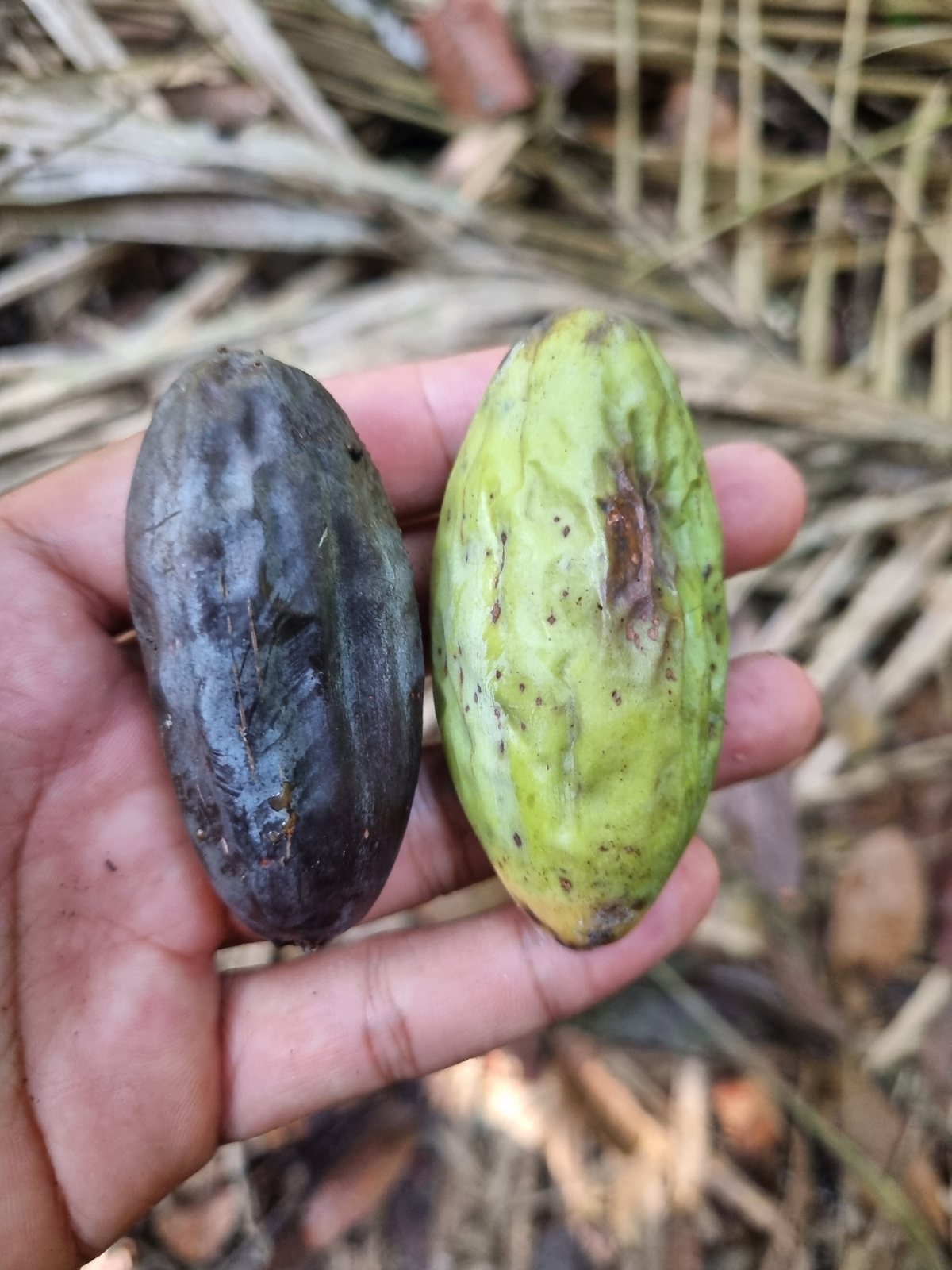
Dark and green Canarium littorale fruits held for scale
Fruits held for scale Photo Akmal Idham, CC BY-NC

Burseraceae

Resin & rainforest fruits

Meet Canarium and Dacryodes. This collection includes dabai and three related forest trees. The genus links let you compare the names without confusing a shared local name with a scientific classification.

Look for: Bark and wood often hold a fragrant resin. Dabai, a well-known Sarawak fruit, belongs here.

  • Canarium
  • Dacryodes

Botanical source: NParks.

Explore Burseraceae
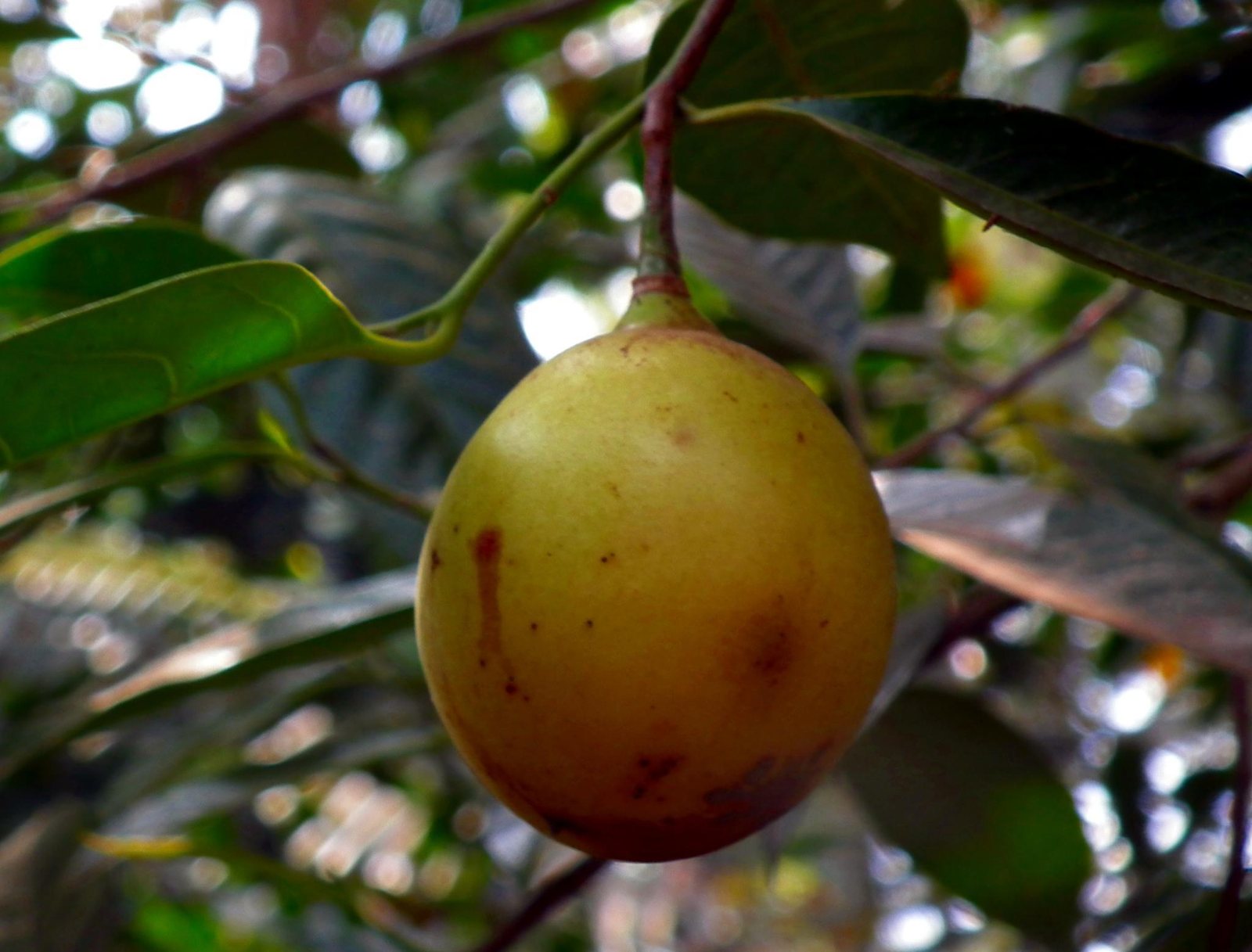
Yellow Myristica fragrans fruit on a leafy branch
Yellow fruit on a branch Photo Ramesh NG, CC BY-SA

Myristicaceae

The nutmeg family

Discover Horsfieldia and Myristica. The familiar cultivated nutmeg sits alongside regional forest species. The catalogue distinguishes an introduced crop from native plants so that location information stays meaningful.

Look for: Cut bark often seeps a reddish sap, and the nutmeg seed is wrapped in a red aril: mace.

  • Horsfieldia
  • Myristica

Botanical source: Kew POWO.

Explore Myristicaceae

Every observation starts with noticing.

Rimba Kita is a learning platform inspired by citizen science: people and researchers working together to understand biodiversity. Explore our curated reference collection, practise recording a plant, and see how a careful observation can be shared.

Citizen-science inspiration: Pl@ntNet. This independent student project is not affiliated with Pl@ntNet.

About this project
  1. Notice something new

    A familiar tree, an unfamiliar leaf. Start with what catches your attention.

  2. Look a little closer

    Explore the taxonomy and compare botanical reference photographs.

  3. Record your discovery

    Practise sharing a clear photograph and useful field notes.

Your next walk could start a discovery.

Notice a leaf. Record the details. Share what you see.

Contribute an observation

Background photo Reuben C. J. Lim, CC BY-NC-SA

Vatica mangachapoi tree rising above surrounding vegetation
Photo island-lover, CC BY-NC

Team video demonstration

A 10 to 12 minute walkthrough by all three members. Recording pending.

Video details